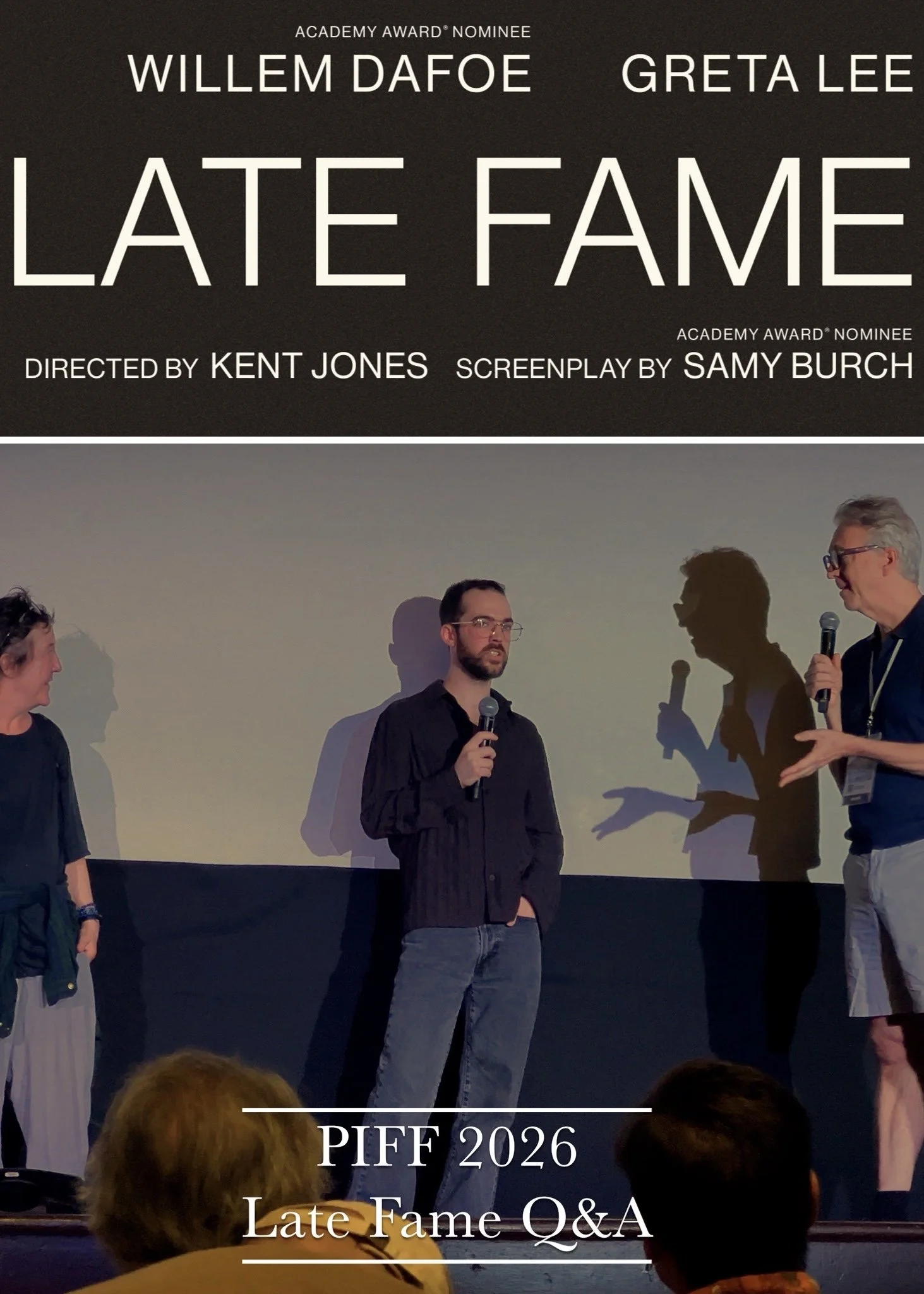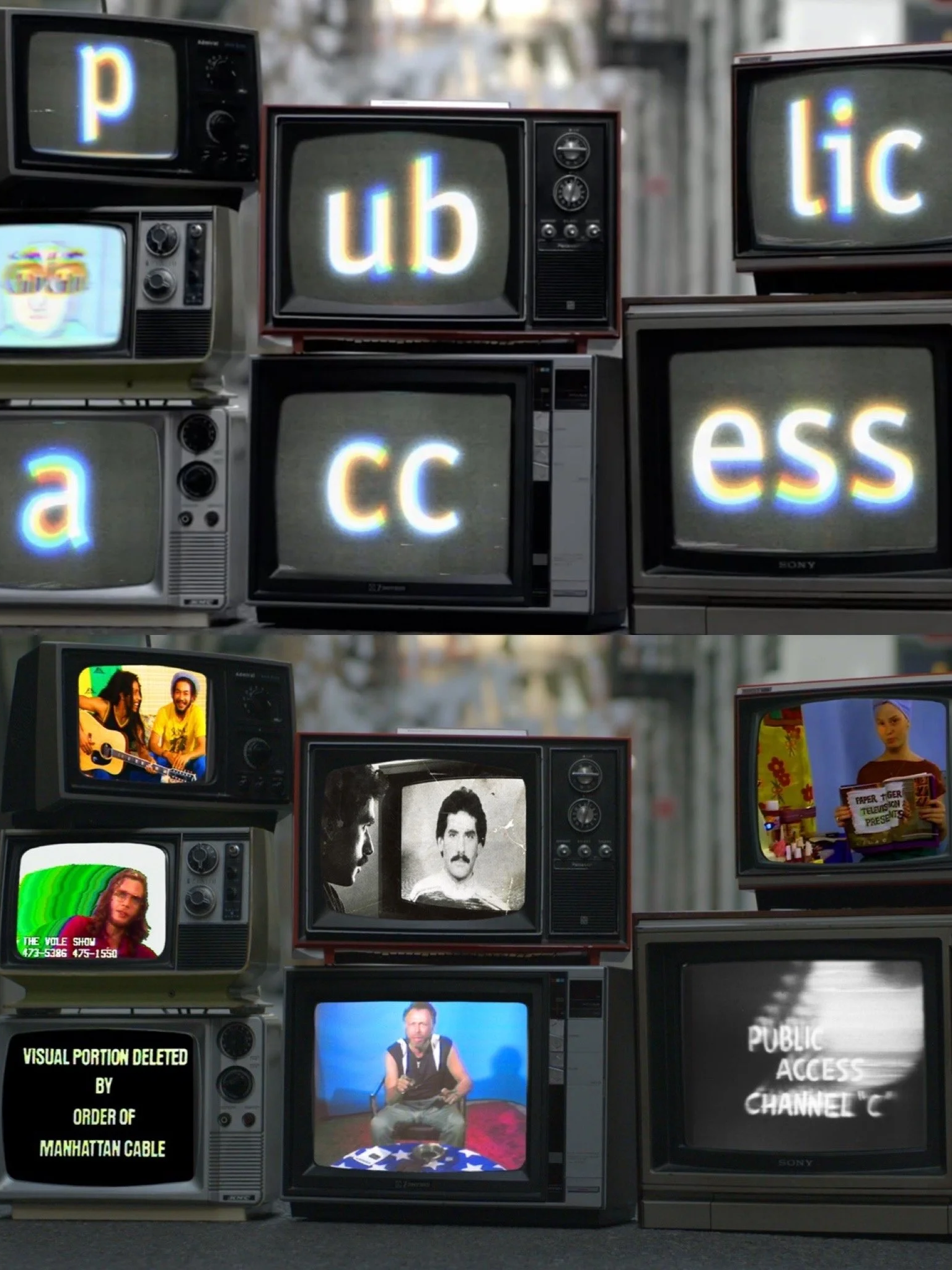
Public Access
Written By: Margaux Fortier
Public access television, often misunderstood and sometimes ridiculed, started as an experimental movement in Manhattan to make television for all. Television, though popular and a fixture in every home, was never something accessible to create or local enough to be about the neighborhood around you. A new channel in New York allowed anyone to record and make their own show, and made producing your own show accessible to everyone and created a chaotically free platform for self-expression.
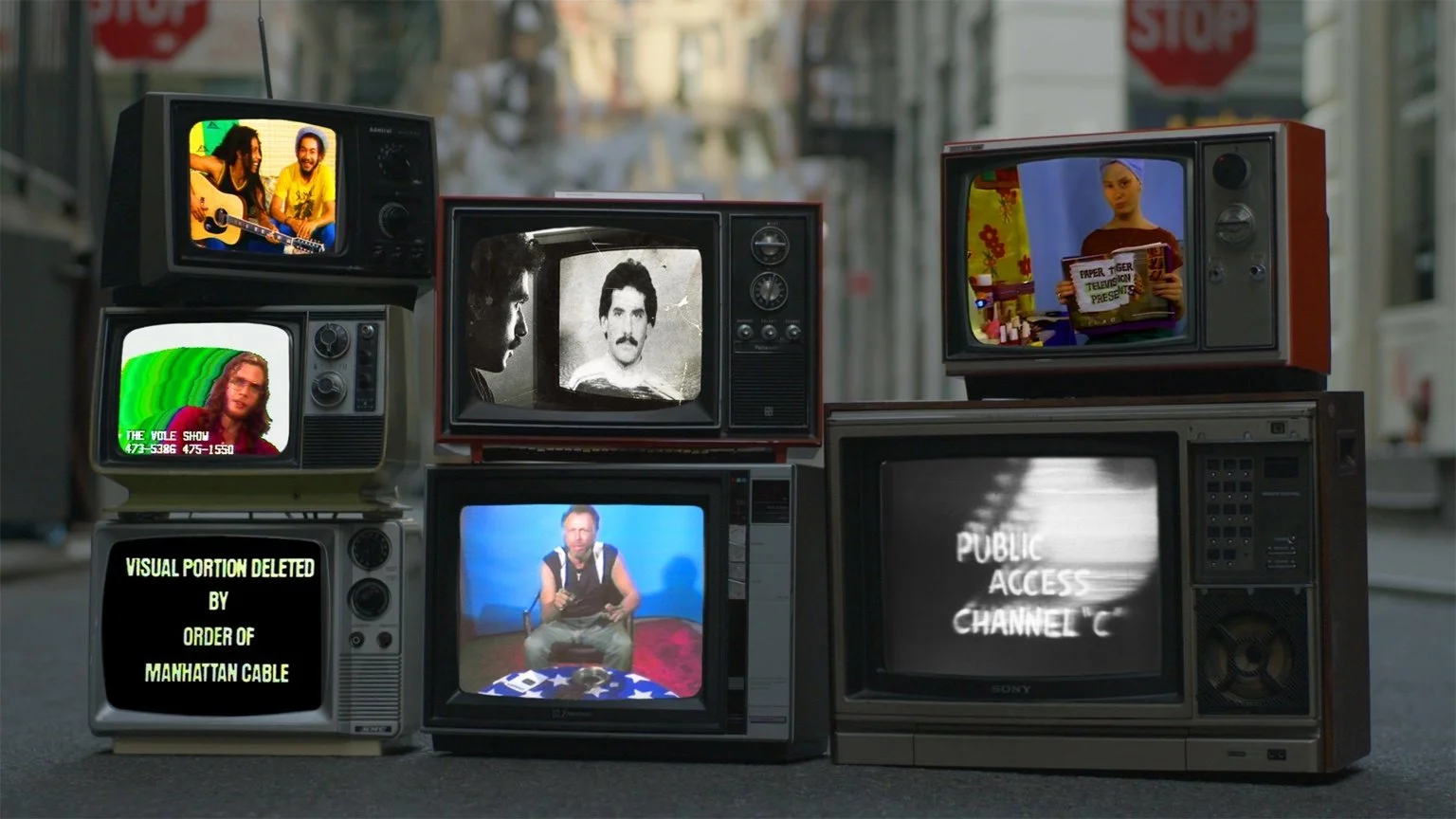
Public Access Shows
The 70s and 80s in New York City had a lot going on and a gap was seen in the media market. There needed to be a space where anyone could make what they wanted, whether it be artistic, explicit, informative, or nothing at all. Tapes would be dropped off at the station and a time slot would be assigned. It was as simple as that. Anyone could have a show on tv. Quickly, live shows were possible and hosts could interact with their audiences who called in to talk. Late night shows about sex and relationships soon followed and the public access style was born. There was no other space for the content and at the same time, it was in some ways the most real shows that were on tv. Free of censors and free of scrutiny, public access tv was an underground movement breaking the mold.
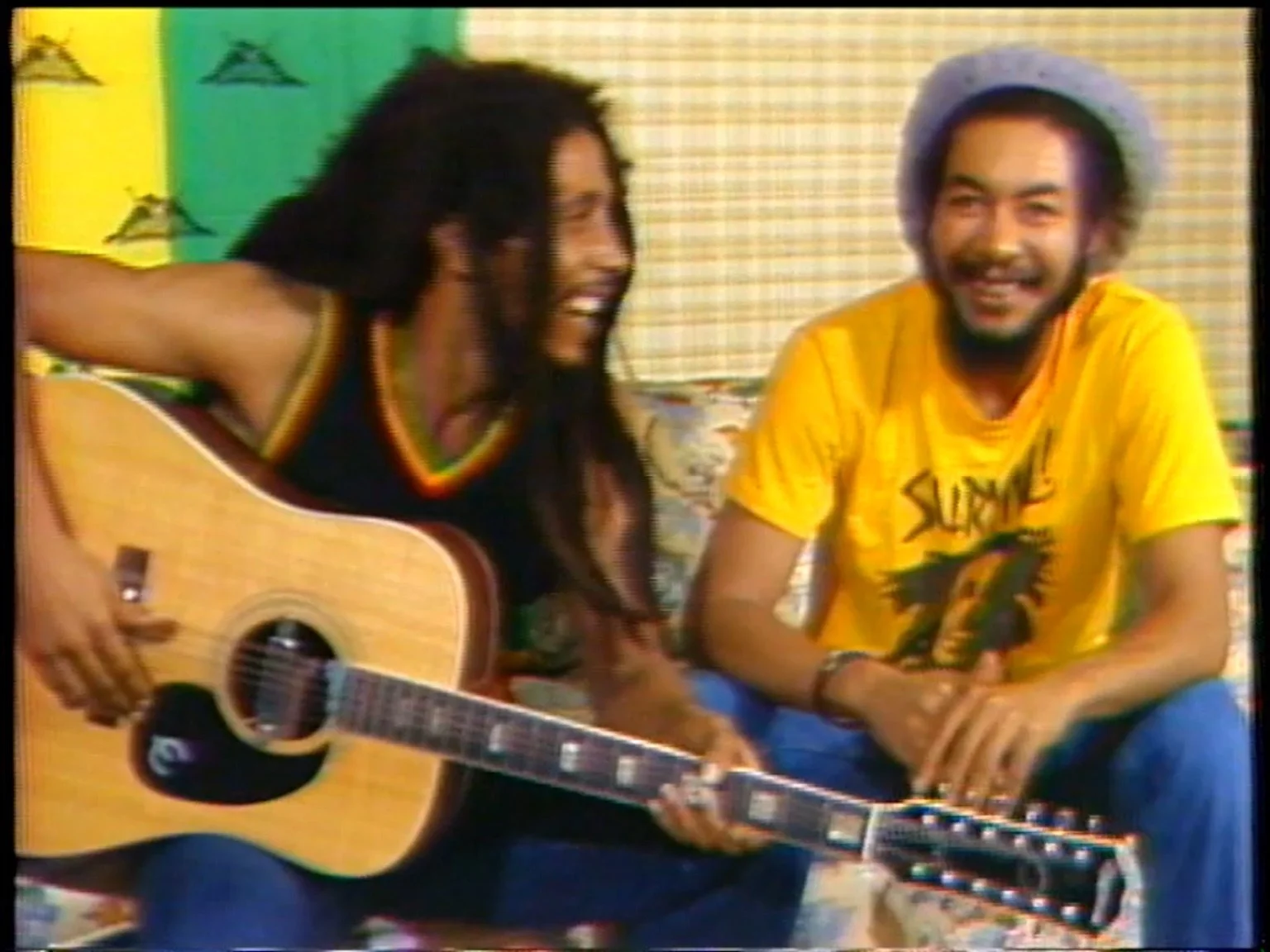
Bob Marley on Rockers ‘80
The documentary, Public Access, directed by David Shadrack Smith, shows it all. In a statement, the director writes, “It’s hard to imagine a time before we could all have our own channels to share our ideas publicly and express ourselves shamelessly. But before the internet and social media, experimenters, boundary-pushers, and wannabe stars saw Public Access TV for what it was: an unprecedented space for raw, unfiltered self-expression, open to (for better or worse) absolutely everyone.”
The non-mainstream edgy presentation was appealing to many in the established artistic world. Music performers really embraced public access tv and some of the first features on Manhattan’s channel were recorded shows that would never make it to regular broadcast channels. The Talking Heads to Blondie to Bob Marley could be seen on the channel in all different ways. Performances and interviews and live call-in shows all had big name musical acts and they were happy to have an unpolished, unedited creative space to spread their wings and express themselves however they wanted.
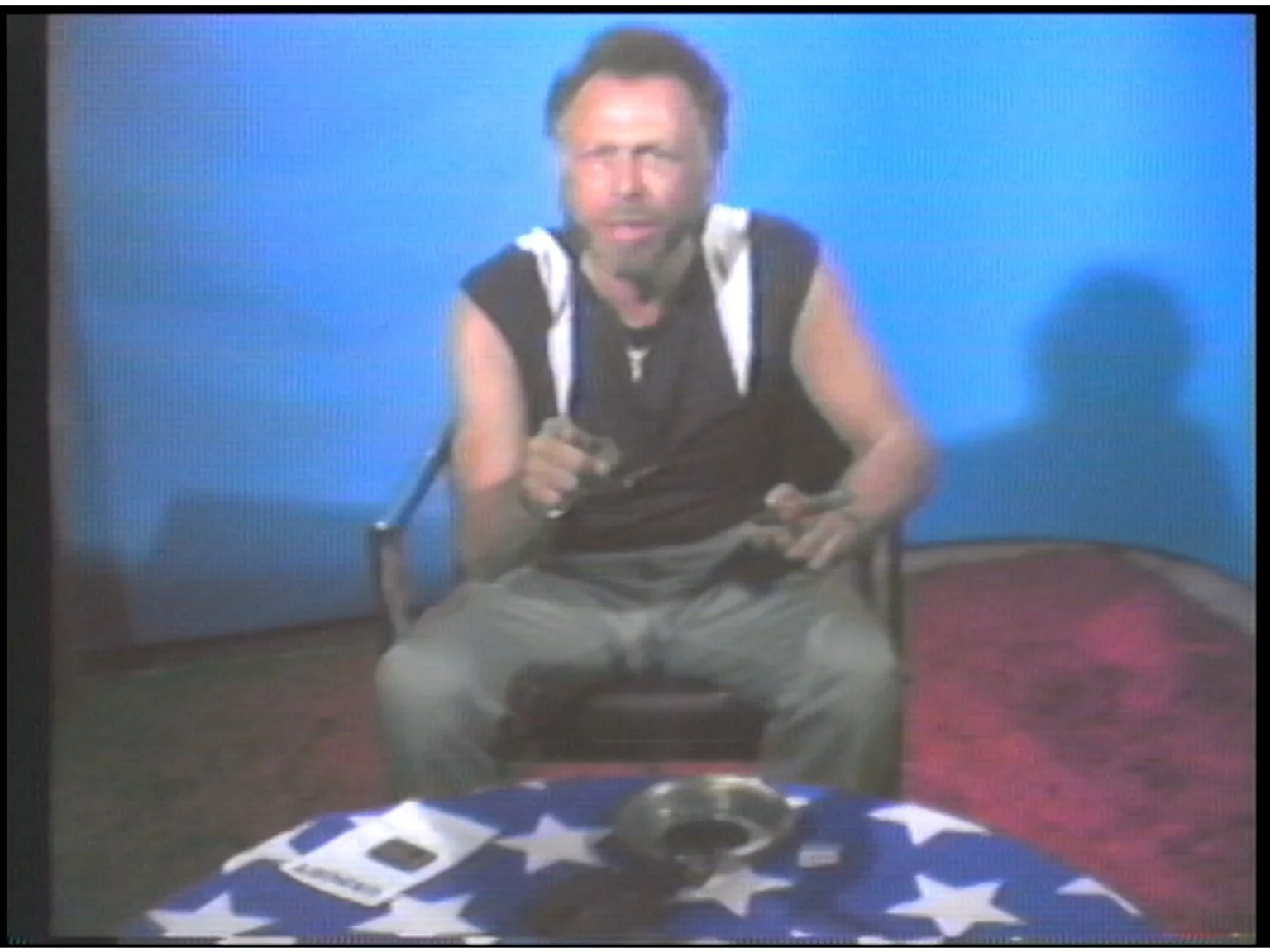
Al Goldstein on Midnight Blue
Inevitably, on a platform that doesn’t limit what is said or done, sexually explicit content started to emerge. Midnight Blue was a segment that pushed the limits of what can and would be shown and discussed on television, highlighting program after program of sex in all forms. Though some households saw this evolution of public access as inappropriate and crude, it gave a space for open conversation in many ways. Gay Cable Network emerged at a time when mainstream outlets were not wanting to speak about the AIDS epidemic and provided space for discussion of the fears and protections the times needed. Constant conversations of freedom of speech and censorship followed Midnight Blue and legal action proved time and again that public access could not be infringed on by the cable companies.
This documentary highlights an essential piece of the media history in the United States that has shaped the landscape more than people realize. It was Youtube before Youtube and led the way for how the internet is regulated now following the experimental nature of public access. As technologies change, so does the way they are presented. Public access television is very different now but the early days are celebrated in this engaging and magnetic documentary.
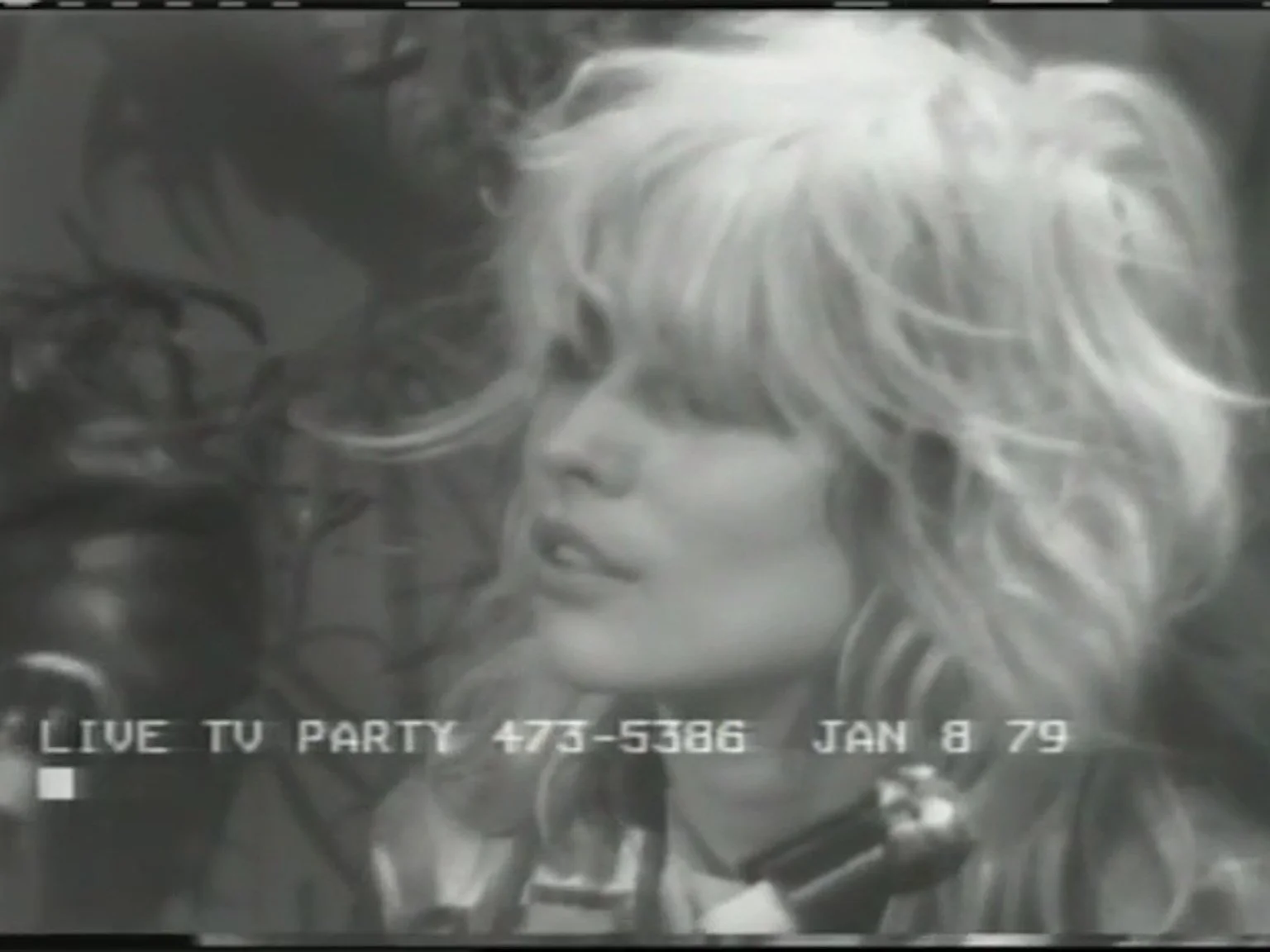
Debbie Harry on TV Party
Margaux from Media Women Worldwide asks a question during the Public Access Q&A!
Public Access Film Title